Evans sits at roughly 4,700 feet on the Colorado plains. Thin, dry air and big temperature swings change how paint behaves on your walls. A color that goes on perfectly in October can flash, streak, or peel if you apply it the same way in January. This guide covers the interior painting tips Evans CO homeowners need for each season. Follow them and your next project looks right and lasts.
Key Takeaways
- Winter is a strong season for interior painting in Evans if you manage ventilation and keep rooms above 50°F.
- Dry Front Range air and altitude make latex paint dry faster, so work in smaller sections and keep a wet edge.
- Spring and fall offer the most forgiving conditions for open-window ventilation and full-home repaints.
Why the Season Changes How Paint Behaves in Evans
Paint does not simply dry. It cures through evaporation and a chemical bond that depends on temperature and humidity. Local weather pushes both of those variables to extremes across the year. The National Weather Service climate data for Greeley shows a semi-arid pattern. Humidity stays low most months, winter brings sharp cold snaps, and spring warms up fast.
Dry air and altitude speed up drying
At this elevation, water leaves latex paint faster than it does at sea level. That sounds helpful, but it causes problems. The roller edge dries before you overlap it, leaving visible lap marks. Cut-in lines around trim dry before the roller reaches them, creating a halo effect. Smaller sections, a loaded roller, and a slower pace solve most of this.
Temperature swings affect cure, not just drying
Paint can feel dry to the touch within an hour and still be weeks from fully cured. Cold rooms slow that cure. Hot, dry rooms rush the surface and trap solvents underneath. Either one leads to a soft finish that scuffs easily. Aim for a steady room temperature between 60°F and 75°F during application and for a few days after.
Winter: A Smart Season for Indoor Painting in Evans
Many Evans homeowners assume painting is a summer job. For interiors, winter often works better. Contractors have more open dates. Heating keeps the air dry, which speeds recoat times. The challenge is ventilation, because nobody wants windows open when it is 15°F outside.
Manage fumes when windows stay shut
The EPA's guidance on volatile organic compounds reports a telling number. Common organic pollutants run 2 to 5 times higher inside homes than outside. Painting adds to that load. The EPA recommends increasing ventilation whenever you use products that release VOCs. In winter, that means choosing low-VOC or zero-VOC paint. Run a box fan in a cracked window and close off the room from the rest of the house. Keep the furnace fan on to move air, and give the room a full day before anyone sleeps in it.
Keep the room warm and steady
Cold walls are the hidden winter problem. An exterior wall can sit well below room temperature on a January morning. Paint applied to a cold surface bonds poorly and may crack later. Run the heat for several hours before you start. Paint exterior walls in the afternoon, after the sun has warmed them.
Handle winter static and dust
Dry winter air builds static. Dust clings to walls and gets rolled into the finish. Wipe every wall with a damp microfiber cloth before you prime. Vacuum baseboards and window sills. Ten minutes of cleaning saves a gritty finish you will notice every time the light hits it.
Spring: Prep, Repair, and Color Testing Season
Spring brings open-window weather and changing daylight. It is the season to fix what winter did and plan what you will paint.
Fix winter drywall damage first
Freeze-thaw cycles move framing and open nail pops and corner cracks. Furnace heat dries out joint compound and reveals old seams. Patch, sand, and spot-prime every repair. Skipping primer on patches causes flashing, where repaired spots absorb paint differently and show as dull patches. GIMA Renovation handles drywall repair and texture matching before any paint goes on. The finish is only as good as the surface underneath.
Test colors in shifting light
Spring light is cooler in the morning and warmer by late afternoon. Paint two-foot test squares on different walls and look at them at breakfast, noon, and evening. Check them under your lamps at night too. Homes with big south-facing windows pull warm undertones out of grays and beiges. A swatch that looked neutral in the store can read pink or green on your wall.
Watch spring humidity spikes
Spring storms and wet snow raise indoor humidity for a day or two. Humid air slows drying and can cause latex to sag on vertical surfaces. If a storm rolls in, wait a day before the second coat. Most labels call for four hours between coats in ideal conditions, and that window stretches when humidity climbs.
Summer: Fast Drying, Afternoon Storms, and Heat
Summer afternoons here regularly top 90°F. Paint behaves very differently at 8 a.m. than at 3 p.m.
Work early and keep a wet edge
Morning is the best painting window in summer. Rooms are cooler and the air is calm. By mid-afternoon, a west-facing room can push paint past its working time within minutes. Roll in sections no wider than four feet, and overlap each pass while the previous one is still wet. If the roller starts to drag, stop and reload rather than pushing harder.
Close up before the storms
Front Range summers bring afternoon thunderstorms and sudden humidity. Open windows invite dust, pollen, and a humidity spike into a room with wet walls. Paint in the morning with windows open, then close them before the clouds build. Let the air conditioner handle the afternoon drying.
Plan around family schedules
Summer is also when kids are home and guests visit. Painting one room at a time and sealing it off keeps the project livable. Ask your painter about the order of rooms so bedrooms are finished and aired out before anyone needs them.
Fall: The Sweet Spot for Whole-Home Repaints
September and October bring mild days, low humidity, and cool nights. Windows can stay open for ventilation without stressing the furnace or the air conditioner. Paint dries at a steady, predictable rate. This is the season to tackle large projects like a full main floor, stairwells, or kitchen cabinets.
Fall also comes before holiday hosting. Fresh walls and trim in October give fumes weeks to clear before guests arrive. Book early, though. Painters across Evans and Greeley fill their fall calendars fast for the same reason.
Year-Round Rules That Never Change
Some interior painting tips Evans CO homeowners can rely on in every season.
Paint in the right order
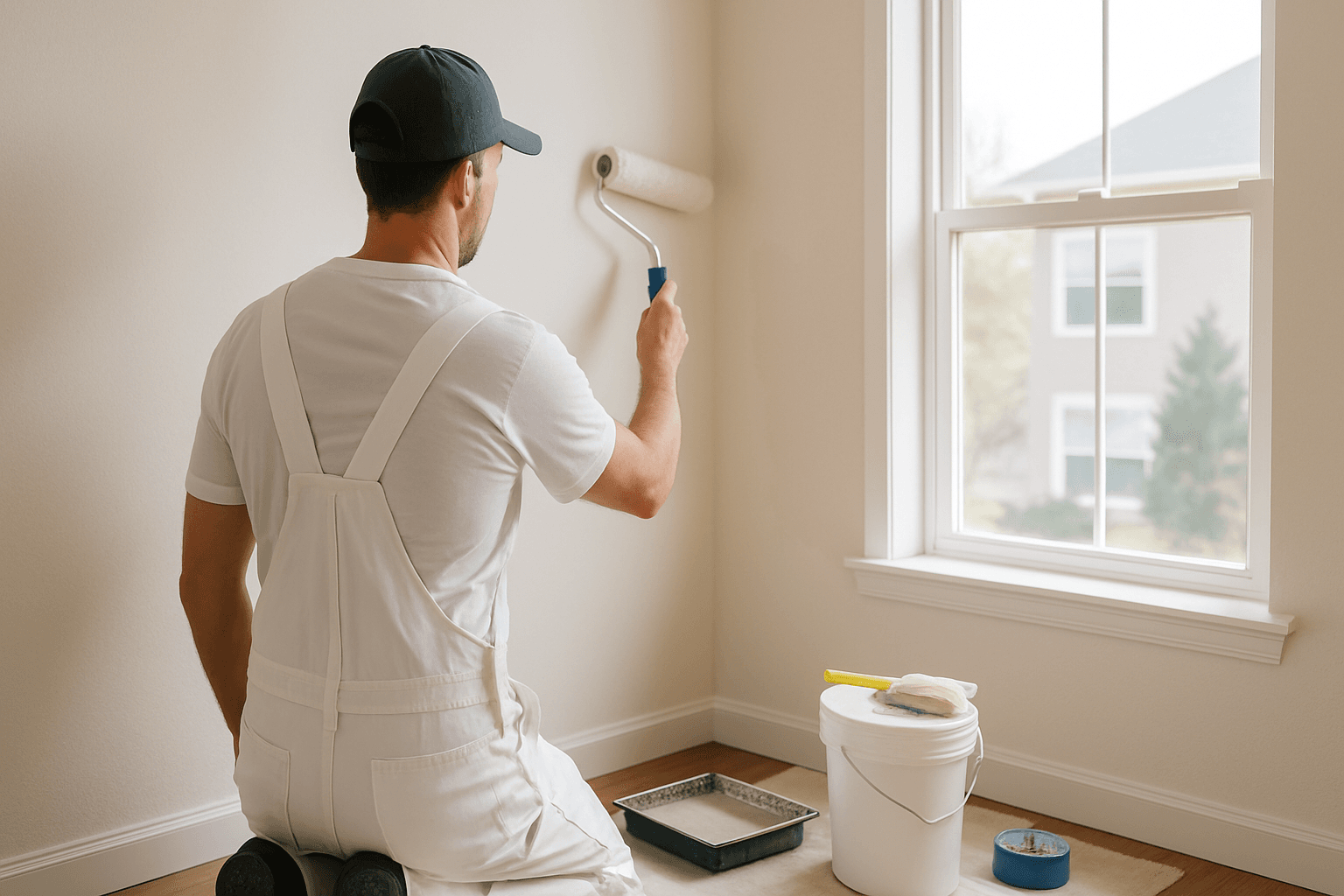
Start with the ceiling, then the walls, then the trim and doors. Working top to bottom means any drips land on surfaces you have not painted yet. Cut in edges with a brush first, then roll the main area in overlapping W-shaped strokes from the top down.
Buy enough paint in one batch
Running out mid-wall and buying another can later is a classic mistake. Tint can vary slightly between batches, and the seam shows. Measure your walls, add a coat for the ceiling, and buy 10 percent extra. Keep the leftovers for touch-ups.
Respect recoat times
Dry to the touch is not ready for a second coat. Rushing the recoat lifts the first layer and leaves texture marks. In dry Front Range air, the wait is often short, but check the label and extend it on humid or cold days.
Choose the right sheen for the room
Flat hides ceiling flaws. Eggshell or satin suits living rooms and bedrooms. Semi-gloss stands up to scrubbing in kitchens, baths, and on trim. Matching sheen to the room matters more than most color decisions.
Frequently Asked Questions
When should you not paint indoors?
Avoid painting when the room is below 50°F or above 85°F, or when humidity is very high after a storm. Skip it when you cannot ventilate at all. Pregnant family members, infants, and people with respiratory conditions should stay out of freshly painted rooms.
What is the best time of year to paint inside an Evans home?
Fall and spring give the easiest conditions with open windows and steady temperatures. Winter works well with low-VOC paint and good airflow. Summer is fine if you paint in the morning and close up before afternoon storms.
Can you fully paint a room in one day?
A single room with one color often can be done in a day by two people. Ceiling, walls, and trim with two coats each usually takes two days. Drywall repair or dark-to-light color changes add time.
Do I really need to wait four hours between coats?
Yes, as a baseline. Dry Colorado air can shorten that, but cold rooms and humid days lengthen it. If the first coat feels cool or tacky, wait longer. A second coat applied too early is the most common cause of roller marks.
Can I sleep in a room I just painted?
With low-VOC paint and a day of ventilation, most people can. Oil-based or high-VOC products need longer. The EPA notes that elevated concentrations can linger well after the work is done, so when in doubt, give it another night.
How often should interior walls be repainted?
High-traffic rooms like kitchens, hallways, and kids' bedrooms usually need paint every three to five years. Bedrooms and dining rooms can go seven to ten. Dry Colorado air is gentle on paint, but sun exposure through large windows fades color faster.
Paint on Your Schedule, Not the Weather's
The right season makes painting easier, but preparation and technique matter more than the calendar. Clean, repaired, primed walls take paint well in any month. Steady temperatures and real ventilation finish the job.
When you would rather hand the whole thing off, GIMA Renovation brings professional interior painting to Evans and Greeley homes year-round. Drywall repair, texture matching, and sheen guidance are built into every project. Our crews already work throughout the Evans service area, so scheduling around your family's calendar is simple. Request a free estimate and we will help you pick the season, the sheen, and the color that fit your home.